Heat Pumps and how they work

Heat pumps are the most essential component of your heating and cooling system, and yet many homeowners have no idea what they are or how they work. Balanced Comfort offers heat pump services and installs in Fresno and its surrounding areas.

Check out our California Home Energy Rebates and Incentives – Balanced Comfort

What is a Heat Pump?

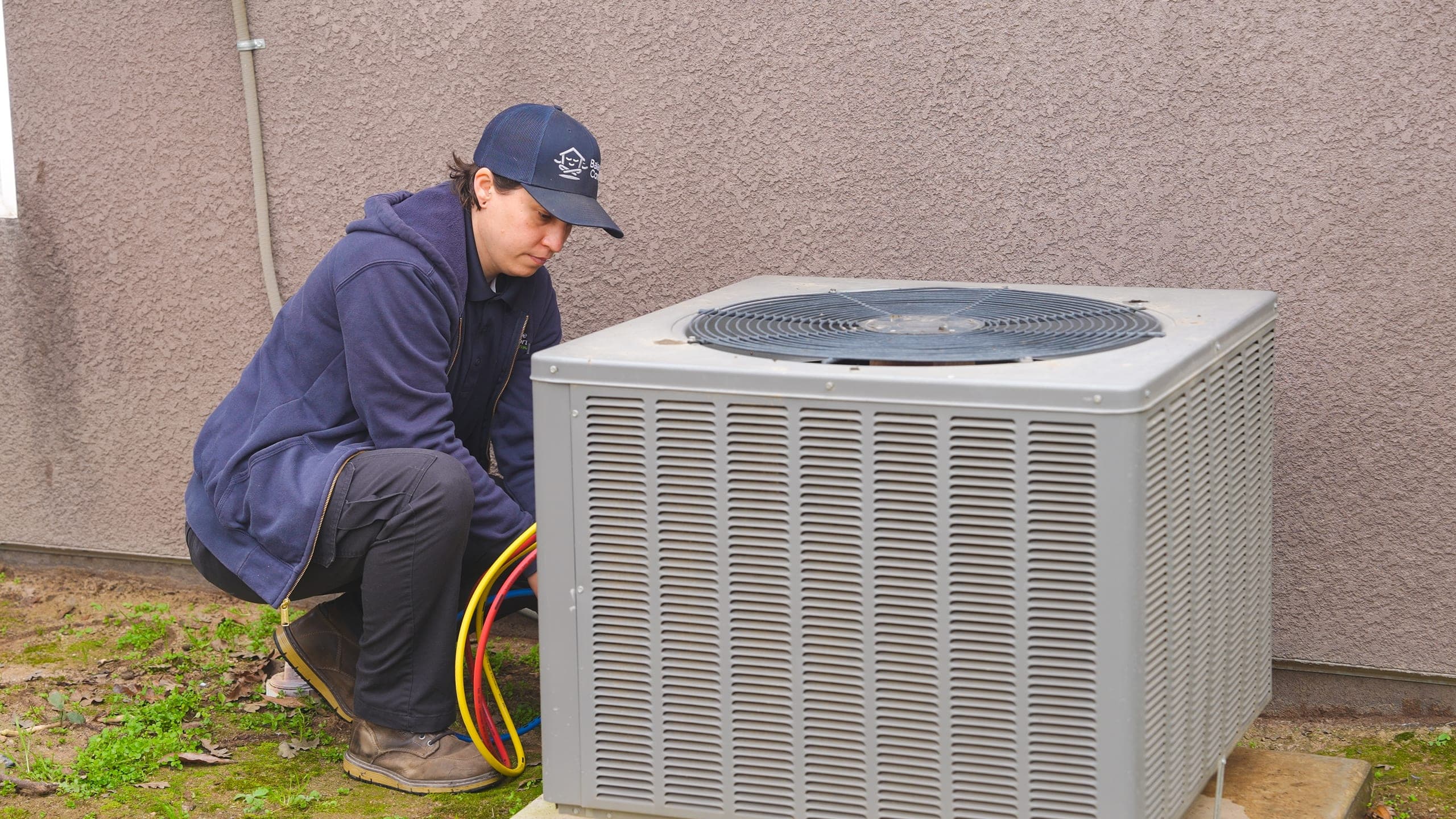
Heat pumps are part of the exterior heating and cooling system and uses air from outside to control the temperature inside your home. Acting as both the air conditioner and the heater, are also very energy efficient because it transfers air rather than creating new air. Heat pumps are great for homes in climates with mild weather where temperatures do not often go below freezing. Air is transferred rather than convert, they use less energy and are more eco-friendly than gas furnaces. Transferring up to 300 percent more energy than it consumes whereas gas furnaces are only about 95 percent efficient.

How Does A Heat Pump Work?

Most people think they create heat; however, what they do is redistribute heat from the outside by using a coolant that circulates between the air handler unit and exterior compressor to transfer heat to warm the home. They are also used to cool the home by absorbing indoor heat and transferring it outdoors.  Being common in HVAC systems in homes located in more temperature or mild climates where temperatures do not drop below freezing often. Heat pumps can be used in furnaces to make them more energy efficient. If the temperatures reach freezing, heat production will automatically kick over to the furnace.

Components include:

  • Outdoor condenser/evaporator unit
  • Indoor fan
  • Refrigerant
  • Compressor
  • Reversing valve
  • Expansion valve

To maintain each of these components specific maintenance schedule must be followed. During winter months you should ensure there is no ice or snow build up that would restrict air flow. During the remaining months of the year maintenance will include these steps:

  • Removing foliage, trimming shrubs away from the unit.
  • Make sure unit is elevated at least four inches off the ground.
  • Ensure there are no gutters leaking above the unit.
  • Clean or replace filters at monthly.
  • Make sure registers are open.
  • Clean outdoor coils if they look dirty.

Back to top

Heat Pumps vs. Gas Furnaces

Heat pumps and gas furnaces are both great options for heating and cooling your home; however, they work in completely different ways. One may be more efficient than another when it comes to temperature control in your home. If you are looking to upgrade or replace your HVAC system, you should know the differences to make the best choice for you.

Back to top

What is a Furnace?

Furnaces do not transfer air like heat pumps. Instead, a furnace converts fuel into heat that is then distributed throughout the home. Furnaces are larger and are located indoors rather than outdoors. The furnace is also made up of four separate parts—burners, heat exchangers, blower, and a flue. Furnaces can run on either gas or oil and are much more effective in the winter months when temperatures are very cold. Furnaces warm your home to higher temperatures than a heat pump can and have a longer lifespan. With proper maintenance, gas furnaces can last twenty or more years while heat pumps can be expected to last for around fifteen years. Because furnaces have less components than heat pump systems, mechanical breakdowns are less likely with furnaces.

Back to top

What is a Dual Heating System?

Dual heating systems blend gas furnaces and heat pumps into one efficient unit where the heat pump operates during more mild weather but as temperatures drop, the furnace takes over. These systems switch between heat pump powered temperature control and gas furnace heat distribution automatically, so homeowners never have to worry about anything.

Back to top

What is an Inverter Heat Pump?

Installing a heat pump is a wonderful choice for homeowners who are looking for environmentally friendly options to heat and cool their homes. Heat pumps do not use gas fossil fuels and are renewable sources of energy production which make pumps very attractive to eco-conscious homeowners. However, there is a lot to know about the different heat pumps available, including knowing the difference between an inverter or fixed output installation of your pump. Your HVAC company should be able to find a variety of heat pump brands at different price points to make choosing the right one for your home and budget easy. The installers should also be able to explain to you what an inverter is and how they are different from fixed output, but we can give you an overview now!

Back to top

What are the differences between Inverter and Fixed Output Heat Pumps?

Inverter and fixed output heat pumps deliver heat to your home in different ways. While manually configured, these systems work at 100% capacity when they are on. System will cycle on and off to maintain the temperature.

Back to top

What are the Best Inverter Heat Pumps?

One of the best brands are Bosch systems. The inverter ducted split system is the leading system for efficiency. This system is also incredibly quiet, features a fully modulating drive, and comes with a Bosch 10-year warranty for residential use. The Bosch inverter system has been known to properly self-adjust, and keep temperatures warm inside, when the outside air is as low as 5 degrees Fahrenheit. If you are looking for a ductless version, check out the Fujitsu General Halycon Ductless Mini-Split System. This system is also known for being near silent and energy efficient.

Back to top

Will Heat Pumps Work in Freezing Temperatures?

There are a lot of myths out there about heat pumps. One of the biggest myths we hear constantly is that the system will stop working if the temperatures drop below freezing outdoors. If you have been questioning if your heat pump will hold up in the winter, the answer is yes; however, for efficient heating you will need to pair your system with a backup heat source such as a furnace or electrical resistance coils. This might sound complicated, but it really is not and when you have professional HVAC installers setting up your system, you do not have to worry about a thing!

Back to top

How does it operate in the Cold?

They work by absorbing outdoor air and transferring it throughout your home. Because heat pumps use outdoor air, they work best in regions with mild temperatures; however, this does not mean that they stop working in cold temperatures. The most common back up source is electric resistance coil heaters which work with heat pumps that use ducts.  When it comes to heat pumps in cold climates, we recommend a dual system that can give you all the benefits of the heat pump’s energy-efficiency with the trust and dependability of a gas furnace.

Back to top

Learn more about Heat Pumps

energy.gov

15+ Awards & Certifications