
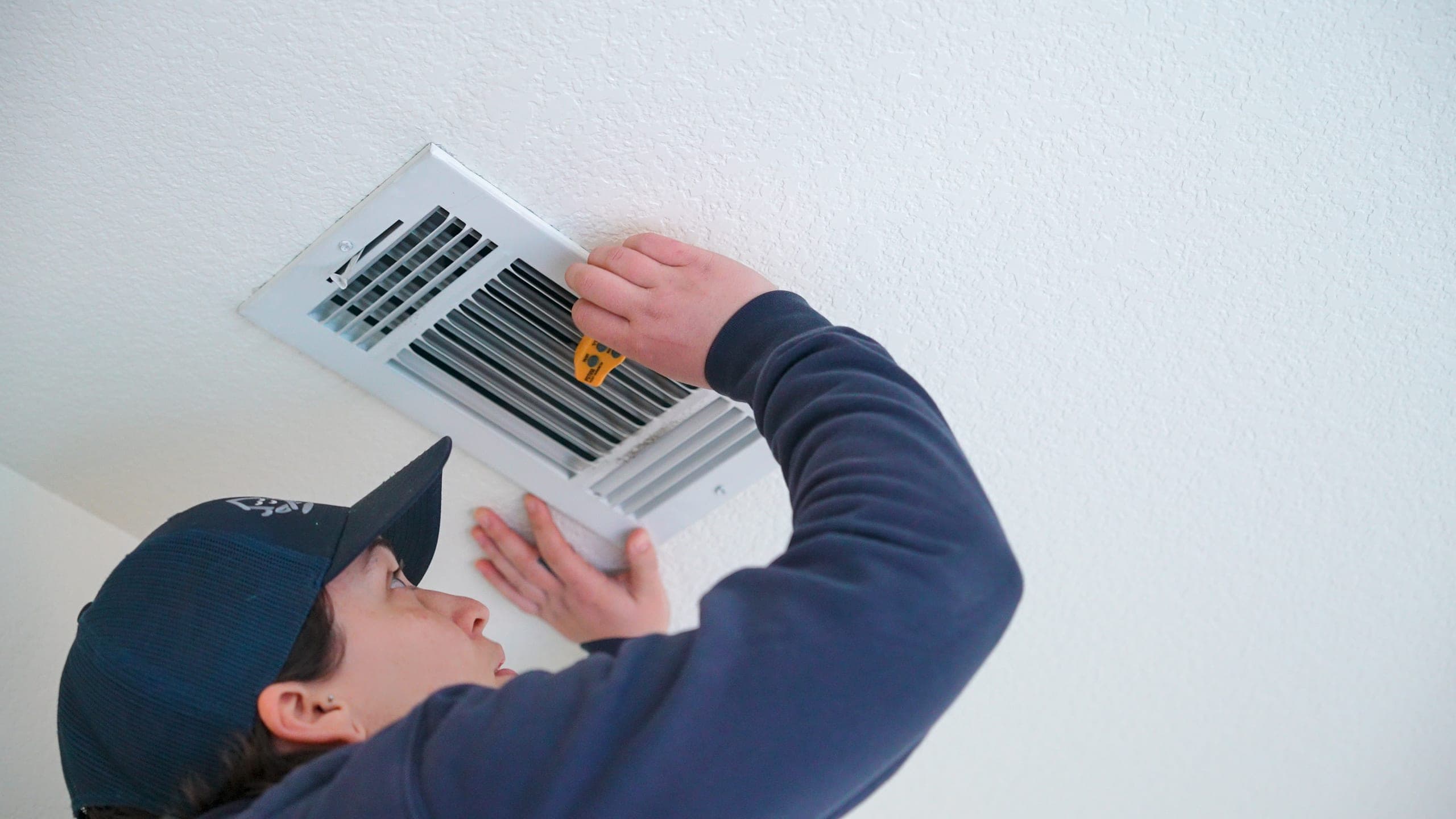
Balanced Comfort

Whole house fans, good or bad?
Quick Answer
Whole house fans are a great fit for Fresno homeowners because Central Valley summer nights regularly drop into the 60s, making it easy to flush out hot air and trap cool air inside during the day. The key is choosing a modern, insulated, airtight model — older metal louver fans without insulation act as an unsealed hole into the attic year-round and undermine all of your attic insulation.
What Is a Whole House Fan?
There are a number of companies promoting and selling large fans that are installed in the ceiling of a central location (typically) that pull in air from the outside and force that air into the attic and out the attic vents. While doing home energy ratings I'd often get asked if a whole house fan is a good solution to reduce energy bills. The idea is that when it gets cooler outdoors than it is indoors, the whole house fan is used to draw in that cooler air instead of using air conditioning in the home.
The Problem with Older-Style Whole House Fans
I know several people who own whole-house fans and they are the older style, metal surface whole-house fans with louvers that open and close with the change of air movement. They are not airtight and they do not have insulation. Those fans are good while they are running, but the other 95% of the time when they are off or during winter time they are essentially a hole into the attic, which can defeat the purpose of all of your attic insulation. In fact that whole house fan will look like a BBQ during the summertime with the use of a thermal camera.
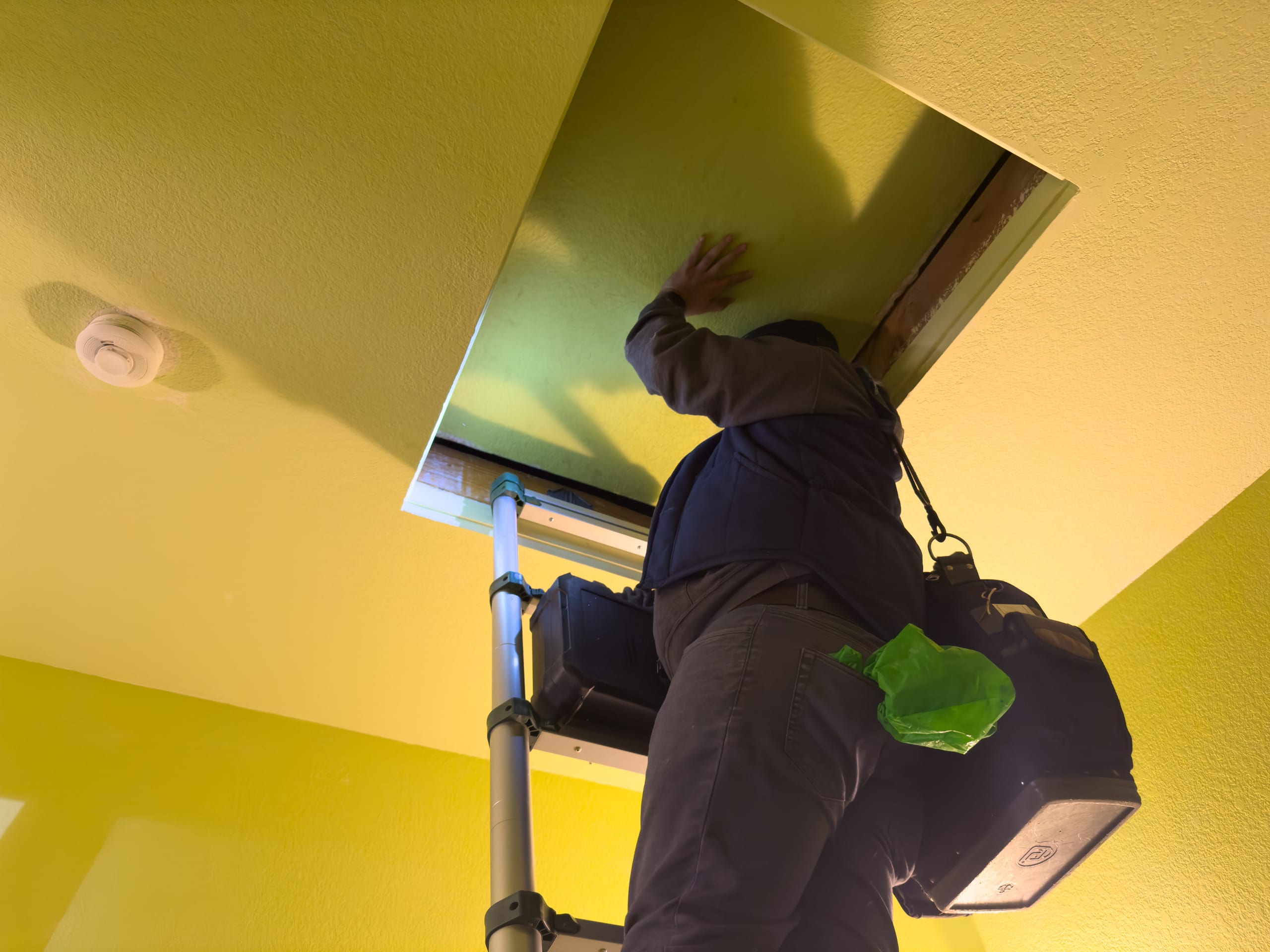
What to Look for When Shopping for a Whole House Fan
There are whole house fans out there that are insulated and (almost) airtight. Those whole house fans provide you with comfort during the summertime while insulating your home from the attic when that whole house fan isn't running. So when you're shopping for a whole house fan make sure that it's insulated and will be airtight when it's not running. Key features to look for:
- Insulated cover — the damper or cover should have meaningful R-value insulation so it doesn't become a thermal weak point in your ceiling when not in use
- Airtight seal when off — look for a model with a sealed or gasketed damper that closes completely, preventing conditioned air from escaping into the attic
- Thermostat or timer control — a built-in thermostat or programmable timer lets the fan run automatically during the cooler evening hours without any manual effort
- Quiet motor rating — newer two-speed or variable-speed motors are dramatically quieter than older single-speed models; check the sone rating before you buy
Is a Whole House Fan Right for My Home?
Fresno and the Central Valley are an ideal climate for whole house fans. Our summers bring hot days but the temperatures often drop into the 60s overnight — exactly the conditions where a whole house fan shines. Run the fan in the evening once outdoor temps dip below indoor temps, then close up the house during the day to trap that cool air inside. On mild nights, a whole house fan can reduce or even eliminate the need to run your air conditioner, potentially saving 50–90% on cooling costs compared to running AC alone during those hours.
The Bottom Line
A whole house fan can be an excellent, energy-efficient addition to a Central Valley home — but only if it's the right type. Avoid older non-insulated metal louver models that act as a hole into your attic year-round. Invest in a modern, insulated, airtight unit with thermostat control, and you'll have a system that genuinely reduces your energy bills while keeping your home comfortable through the cooling season.
Have questions about ventilation or attic air quality? Contact us or call 559-234-4131 — we serve Fresno, Clovis, and the Central Valley.
Ready to get it fixed?
Fresno’s friendly local team is one call away
Book online in about a minute or call us right now — we’ll take it from there.